
A dog bite can leave more than a visible wound. You may be facing infection concerns, painful treatment, missed work, and fear about what happens next, especially when a child is injured. Florida law gives injured people an important protection that does not depend on whether the dog has bitten anyone before.
Under Florida Statute 767.04. A Florida dog bite lawyer can explain how the state’s strict liability rule may hold the owner responsible. The rule applies when a dog bites someone in a public place or while the person is lawfully on private property. The owner does not even have to have known the dog was dangerous.
That rule can make a first bite legally significant, but the circumstances still matter. Where the bite occurred, whether the victim was lawfully present, and whether any conduct contributed to the incident can affect a claim. Understanding how strict liability works is the first step toward protecting your rights and evaluating potential compensation.
Florida Dog Bite Law: What Strict Liability Means
A dog bite can leave you facing pain, medical treatment, fear, and questions about who should pay for what happened. Florida law gives injured people an important protection. Under Florida Statute 767.04. A dog owner may be liable for damages when the dog bites someone in a public place or while the person is lawfully in a private place. The rule generally applies regardless of whether the dog had shown vicious behavior before or the owner knew the dog could be dangerous.
In Florida, a dog owner is strictly liable when the dog bites someone in a public place or while the person is lawfully on private property. You do not have to prove the owner knew the dog was dangerous or had bitten before. Liability is based on the bite and your lawful presence, not on prior warning.
This is known as strict liability. In practical terms, the central issue is usually whether the bite occurred and whether you were legally present where it happened. You do not necessarily have to prove that the owner acted carelessly, failed to restrain the dog, or had advance warning of a risk. The statute places responsibility on the owner in situations covered by its language. Read the statute directly through the Florida Legislature.
Florida does not require a previous bite
People sometimes describe traditional dog-bite rules as a “one bite” rule, suggesting an owner gets one free bite before being held responsible. Florida’s statute changes that result for covered incidents. A first bite can still create liability. The owner cannot avoid responsibility simply by claiming the dog never did this before or that they had no reason to think the dog was dangerous. Prior viciousness and the owner’s knowledge are not required under the strict-liability language.
That does not mean every claim is automatically successful. The facts surrounding the incident still matter, including where you were, how the bite occurred, the nature of your injuries, and whether any statutory defense applies. A careful review can also help preserve evidence such as photographs, medical records, witness information, and details about the dog and its owner.
- Public place: The statute can apply when a dog bites someone in a public location.
- Lawful presence: It can also apply when the injured person is lawfully on private property, including the owner’s property.
- No prior warning required: A previous bite or known aggressive history is not necessary to establish the statute’s basic strict-liability rule.
If you were bitten, seek medical attention promptly and avoid giving an insurance company a recorded statement before you understand your rights. A Florida dog bite lawyer can examine the circumstances and explain how the statute may apply to your claim.
Who Is Liable for a Dog Bite in Florida?
After a dog bite, many injured people hesitate to seek help because they know the owner, worry about damaging a relationship, or assume the attack was an accident. Florida law does not make you prove that the owner knew the dog was dangerous before the bite. Under Florida Statute 767.04. A dog owner can be liable for damages when the dog bites someone in a public place or while the person is lawfully on private property. This applies regardless of the dog’s prior viciousness or the owner’s knowledge of it. Read the Florida statute.
The dog’s owner is the party most commonly liable under Florida’s strict-liability rule. A landlord, property owner, or household member may also become relevant if that person knew about the dog. Exercised control over the animal, or allowed the conditions that led to the attack. Every potentially responsible party should be reviewed.
That rule is commonly called strict liability. In practical terms, a first bite may still create a claim. The owner cannot automatically avoid responsibility by claiming the dog had never acted aggressively before or that they did not know it could bite. The facts still matter, including where the incident happened, whether you were lawfully present, the nature of the injury, and what evidence documents the attack.
The owner is usually the first party examined
Ownership is not always the end of the analysis. A property owner, landlord, or household member may also become relevant when that person knew about the dog. Had authority over the property, or exercised control over the animal or the conditions that allowed the attack. Whether someone besides the dog owner can be held responsible depends on the specific facts and available evidence. A Florida dog bite lawyer may examine lease terms, household arrangements, prior complaints, animal-control records, witness statements, and who was supervising the dog when it injured you.
These cases can be especially serious when a child is hurt. The Centers for Disease Control and Prevention identifies children as the most common dog-bite victims and says they are more likely to suffer severe injuries. CDC dog-bite information. A child may need emergency treatment, follow-up care, or support for lasting scarring and fear. Do not assume the claim is weak because the dog belongs to a neighbor, friend, or relative. Preserve photographs, medical records, messages, and witness contact information, then have the circumstances reviewed promptly.
Dog-bite responsibility can overlap with broader premises liability issues. A careful review helps identify every potentially responsible party instead of focusing only on the person who owned the dog. A slip and fall claim can raise the same questions about property-owner responsibility, which is why a full review of the scene and any unsafe conditions matters.
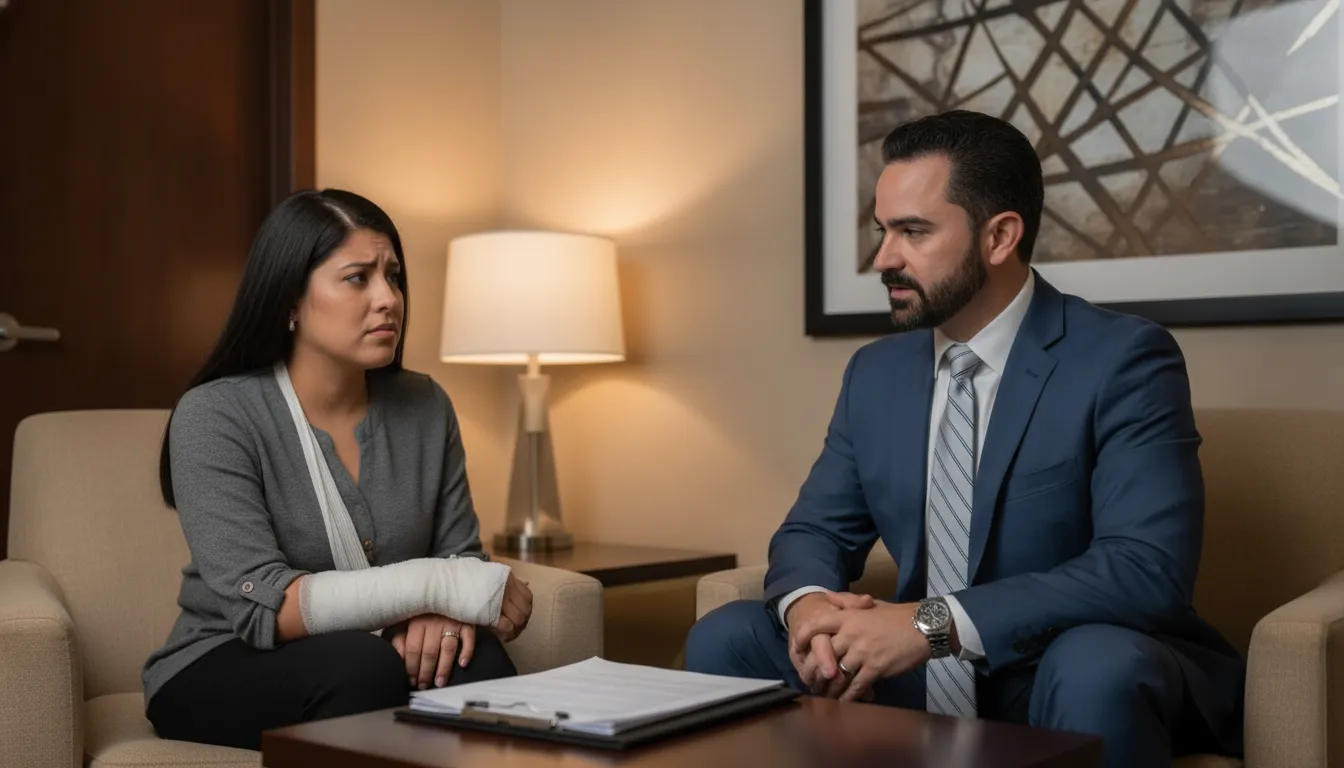
Exceptions and Defenses to Florida Dog Bite Liability
Florida law gives many bite victims a clear path to pursue damages, but liability is not automatic in every situation. The facts surrounding where the bite happened, why the victim was there, and what the victim did immediately before the incident can affect the claim.
Florida’s strict-liability rule has important limits. A trespasser is generally not protected, a visible readable “Bad Dog” sign can matter in certain private-property situations, and a victim’s own negligence can reduce damages. Each defense is fact-specific, so the evidence must be reviewed carefully.
Florida Statute 767.04 generally holds a dog owner responsible when the dog bites someone in a public place or while the person is lawfully on private property. The statute also recognizes important exceptions and limits:
- Trespassing: The statutory strict-liability rule generally does not protect a person who was trespassing or otherwise not lawfully present when the bite occurred.
- Comparative negligence: If the injured person’s own negligence contributed to the incident, damages may be reduced by that percentage.
- A visible “Bad Dog” sign: In certain private-property situations, a prominently displayed and easily readable sign may provide the owner with a defense.
When a “Bad Dog” sign may not protect the owner
The sign defense has limits. It generally does not shield the owner when the injured child is under six years old. It also may not apply when the owner was negligent in keeping or supervising the dog. For example, a sign may not eliminate responsibility if the owner failed to use reasonable care. Created an unsafe condition, or allowed the dog to reach someone who was lawfully present.
A sign also does not erase the need to examine the complete incident. Its placement, readability, location, and the circumstances of the bite may matter. A small, hidden, damaged, or poorly positioned sign may not satisfy the statutory requirement. The dog’s prior history and the owner’s knowledge can also be relevant to negligence and other legal theories. Even though Florida’s strict-liability rule does not require proof that the owner knew the dog was dangerous.
How comparative negligence can affect damages
Comparative negligence is not the same as losing a case. If an insurer or owner claims that you provoked the dog, ignored an obvious warning. Or acted carelessly, the evidence should be tested rather than accepted at face value. Witness statements, photographs, video, medical records, and the exact wording of any warning can help establish what happened.
Because these defenses are fact-specific, speak with a premises liability lawyer before assuming a warning sign or disputed conduct ends your claim. A careful review can distinguish a genuine defense from an attempt to avoid responsibility.
What Compensation Can You Recover After a Dog Bite?
A dog bite can leave you dealing with immediate treatment, follow-up care, missed work, and fear that lingers long after the wound closes. In Florida, the compensation available in a claim depends on the injuries, financial losses, and evidence supporting them. Potential damages may include medical expenses, lost wages, and pain and suffering, as well as other losses tied to the bite and its lasting effects. Florida dog bite compensation commonly addresses these categories.
Recoverable damages after a Florida dog bite typically include medical expenses, lost wages, pain and suffering, and in some cases scarring or disfigurement. The amount depends on the injury, treatment, recovery time, and how comparative negligence affects the claim. Every claim is evaluated on its own facts.
| Damage category | What it covers | Example |
|---|---|---|
| Medical expenses | Reasonable treatment connected to the bite, including emergency care and follow-up services. | Emergency-room care, wound treatment, medication, or reconstructive care. |
| Lost wages | Income lost when injuries or medical appointments keep you from working. | Pay missed during recovery or time away from work for follow-up treatment. |
| Pain and suffering | Physical pain, emotional distress, fear, and disruption caused by the injury. | Ongoing pain, anxiety around dogs, or the daily impact of a serious wound. |
How comparative negligence can affect recovery
Florida law may reduce compensation if the injured person’s own negligence contributed to the incident. The statute provides that an owner’s liability is reduced by the percentage of negligence attributed to the person bitten. For example, if an insurer or jury assigns a percentage of responsibility to the victim, the total recovery may be reduced by that percentage. This issue is fact-specific. The circumstances of the encounter, the victim’s conduct, warnings at the property, and witness accounts can all matter. Florida Statute 767.04 should be reviewed alongside the facts of the case.
Maximizing what you take home
A settlement figure is not the same as the amount you ultimately receive. Medical providers and insurers may assert liens or reimbursement claims against a recovery. Dream Team Law’s post-settlement lien-resolution team works to negotiate medical bills down when possible, helping maximize the client’s net recovery after those obligations are addressed. A Florida dog bite lawyer can review your records, document your losses, and explain how comparative negligence or outstanding medical balances may affect the claim. No recovery is guaranteed, but careful preparation helps protect the full value of the damages supported by the evidence.
What to Do After a Dog Bite in Florida: 5 Steps
A dog bite can leave you frightened, in pain, and unsure what to do next. Focus first on your safety and medical needs. Then preserve the details that may help explain what happened and document the harm you suffered. These five steps can help you protect your health and your legal options.
After a dog bite, get safe, seek medical care, and document the injury and scene. Collect the owner’s information and the dog’s vaccination status, and report the bite to animal control if needed. Preserve photos, medical records, and witness details, then contact a lawyer to protect your rights.
- Get to a safe location. Move away from the dog and any continuing danger without putting yourself or others at risk. If the attack is ongoing or the injuries are severe, call 911. Do not return to confront the animal. Ask a bystander to help, if necessary, and note where the incident occurred while the details are fresh.
- Seek medical care and document your treatment. Get medical attention immediately, even if the wound looks minor. Prompt care can help prevent infection and creates a medical record of the injury, as the Centers for Disease Control and Prevention explains. Follow treatment instructions, attend recommended follow-up visits, and keep copies of bills, discharge paperwork, prescriptions, and work notes. If the wound is bleeding heavily, the pain is severe, or you have other urgent symptoms, use emergency care.
- Collect the owner’s information and the dog’s vaccination status. If it is safe, ask for the owner’s name, phone number, and address. Request information about the dog’s rabies vaccination and the veterinarian who treated the animal. Do not argue with the owner or rely on a verbal promise that the dog is vaccinated. If the owner leaves, ask witnesses for identifying details and contact local animal control or law enforcement to report the bite.
- Photograph the injuries, scene, and visible hazards. Take clear pictures of the wound before and during healing, along with torn clothing, blood. The location of the attack, broken gates, missing restraints, warning signs, or other conditions that may matter. Preserve the original images and write down the date, time, location, what happened, and the names of witnesses. The CDC recommends documenting the injury, dog, and scene when possible.
- Speak with a Florida dog bite lawyer promptly. A lawyer can review the facts, identify potentially available insurance, and help preserve evidence before memories or records disappear. Florida generally allows four years from the injury to bring most personal injury claims, including dog bite claims, under Florida Statute 95.11. That deadline does not make delay a good strategy. Early guidance can be especially important when the victim is a child, injuries may leave scarring, or the dog’s vaccination history is unclear.
How a Florida Dog Bite Lawyer Helps You Build a Strong Case
A dog bite can leave more than a visible wound. You may be dealing with infection concerns, painful treatment, missed work, fear around animals, or lasting scars. Children are the most common dog-bite victims and are more likely to suffer severe injuries, according to the Centers for Disease Control and Prevention. With approximately 4.5 million dog bites occurring in the United States each year, and about 800,000 requiring medical care, these cases deserve careful attention.
A Florida dog bite lawyer preserves evidence, identifies every potentially responsible party, documents the full impact of the injury, and handles insurers and deadlines. The goal is to build a complete record that supports the damages you deserve, from medical bills to the pain and disruption the bite caused.
An experienced Florida dog bite lawyer can take over the legal details while you focus on healing. The work begins with preserving evidence before it disappears. That may include photographs of the wound and location, clothing damaged in the attack, animal-control reports, veterinary or vaccination information, and proof of where the incident occurred. Your lawyer can also identify witnesses, obtain statements, and request medical records that document your diagnosis, treatment, prognosis, and any future care needs.
Building the case also means identifying every potentially responsible party. The dog’s owner may be liable under Florida’s dog-bite statute, but the facts may require examining a property owner. Landlord, business, caretaker, or another party responsible for controlling the animal. Your lawyer will assess whether you were lawfully present. Investigate any claim that your conduct contributed to the incident, and prepare a response to defenses that could reduce recovery.
Documenting the Full Impact of the Injury
Damages can extend beyond the first emergency-room bill. A complete claim may account for medical expenses, lost wages, rehabilitation, pain, emotional distress, scarring, and disfigurement when supported by the evidence. The CDC notes that dog bites can require medical care, so preserving treatment records and following medical instructions matters. A lawyer can organize those records, consult appropriate experts when needed, and document how the injury affects daily life, work, and family responsibilities.
Handling Insurers and Deadlines
Insurance companies may seek an early statement or quick settlement before the full extent of the injury is known. Your lawyer can handle communications, evaluate the available coverage, and negotiate from a documented position rather than accepting an incomplete offer. Florida’s general statute of limitations for personal-injury claims, including dog-bite claims, is four years from the injury date under Florida Statute 95.11. Exceptions may apply, especially in cases involving minors, so prompt legal review is still important.
Dream Team Law uses a No Win, No Fee contingency model. The fee is generally 33% to 40% of the settlement, with zero upfront costs. If medical liens are involved, the firm’s lien-resolution team works after settlement to negotiate bills down and protect more of your net recovery. The same evidence-first approach matters in every injury claim, including car accident cases, rideshare accidents, and accidents involving burns and amputations. Explore the firm’s case results to see the kind of advocacy that matters when a serious injury changes your life.
Frequently Asked Questions
Can I sue for a dog bite in Florida?
Possibly. Florida Statute 767.04 generally makes a dog owner liable when the dog bites someone in a public place or while the person is lawfully on private property. This is true even if the dog had never shown vicious behavior before. The facts of the incident, your injuries, and any applicable defenses still matter. Read the statute.
How much is a dog bite settlement in Florida?
There is no reliable standard amount. Potential compensation may include medical expenses, lost wages, pain and suffering, and permanent scarring or disfigurement. The value depends on the injury, treatment, recovery, financial losses, and whether comparative negligence affects the claim. No lawyer can guarantee a particular result.
What should I do after a dog bite in Florida?
Get medical attention promptly, clean the wound with soap and water, and follow the provider’s instructions. If it is safe, document the injury, dog, location, and owner information. Reporting the incident to local animal control can also help prevent another attack. The CDC recommends prompt medical care after a bite.
Are there exceptions to strict liability for dog bites?
Yes. The statute may not impose liability when the injured person was trespassing. A prominently displayed readable “Bad Dog” sign can also matter in specific private-property circumstances when other statutory conditions are met. Florida law may reduce damages in proportion to the injured person’s negligence, so an attorney should review the complete circumstances.
How long do I have to bring a Florida dog bite claim?
Florida’s general statute of limitations for personal injury claims, including many dog bite cases, is four years from the injury date. Exceptions may apply, including situations involving minors. Do not wait to seek legal advice because evidence can disappear and deadlines depend on the facts. Review Florida’s limitations statute.
Get Started With a Free Case Evaluation
Understanding your rights can help you make informed decisions after a dog bite injury. Our team can listen to what happened, discuss your legal options, and explain the next steps in clear language.